
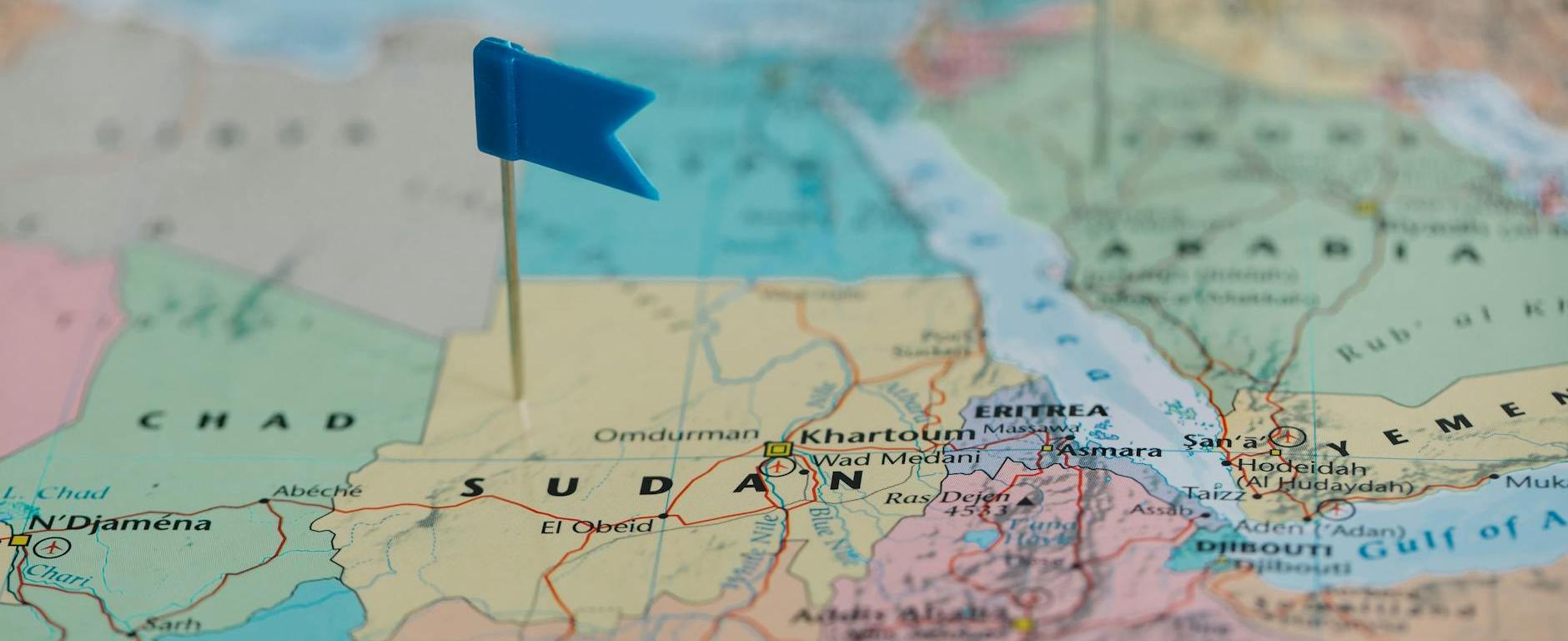
This is a story about Canada’s response to two humanitarian crises. The first in Afghanistan, the second in Sudan. It’s a story of success and failure.
When the Afghan government collapsed and the Taliban returned to power in August 2021, the country plunged into a humanitarian crisis. The Canadian government responded quickly, promising to resettle 40,000 Afghans in Canada through special humanitarian programs. Among the most progressive initiatives was its “custom-made” refugee sponsorship program which gave priority to Afghan women leaders, human rights defenders and persecuted ethnic minorities.
Nest supporters welcomed the initiatives, raising more than $200,000 to sponsor Afghan equality rights activists, a prosecutor and many members of the Hazaras ethnic minority. By the end of 2023, more than 40,000 Afghans had resettled to Canada, the majority through the private refugee sponsorship program. By November 2024, the total number had increased to 55,195.
Canada’s Afghan initiatives were commended and applauded.
Then came the crisis in Sudan. In April 2023, violence erupted in the capital city of Khartoum as two rival military factions fought for control. Within weeks, the country was engulfed in war, marked by massacres in the Darfur region, gender-based sexual violence, and famine.
The Canadian government allocated $170 million to assist the Red Cross, the UN and other NGOs in Sudan and neighbouring countries. It also called on the warring factions to cease hostilities and allow the rapid distribution of humanitarian aid.
But as the weeks and months passed, there were no new measures. An Open Letter signed by more than 130 Friends of Nest, urged the government to act.
In February 2024, 10 months after the war erupted, the Canadian government announced a special program to assist the Sudanese. In sharp contrast to the Afghan initiatives, this program required Sudanese nationals and others fleeing the violence to have relatives in Canada to pay for their refugee sponsorship. The government called it “the family-based pathway.”
There were no special measures for the women leaders and human rights activists who inspired Sudan’s Arab spring in 2019, such as Alaa Salah, the 22-year old engineering student who stood on top of a car outside the military headquarters and led protestors in chants: “The bullet doesn’t kill. What kills is the silence of people.”
There were no special humanitarian pathways for Canadian groups like Nest to sponsor Sudanese refugees. And no plan to bring government-assisted Sudanese refugees to safety in Canada.
The government’s entire plan fell on the shoulders of the Sudanese diaspora in Canada. The government capped the “family-based pathway” for the Sudanese at 3,250 applications or 7,000 people.
Canada’s response to the Sudanese crisis has been widely criticized as financially inaccessible and woefully inadequate.
Canada demonstrated it has the capacity to respond to conflicts in Afghanistan and Ukraine, showing the face of Canadian humanity. Why has it turned its back on Sudan?
“We expected the Canadian government . . .to have a quicker response to this human tragedy,” said Dr. Emad Tahir, a Canadian doctor originally from Khartoum, who lives in Montreal. We are speaking about a war, where people are dying from famine, diseases and bullets and shells, he said.
By May 10, 2024, the Canadian government had admitted only 4,202 people under the program.
“The inequity is stark for all observers, not the least for the Sudanese Canadian community,” the Canadian Council for Refugees wrote in a letter to the Immigration Minister.
The UN Secretary-General Antonio Guterres recently described Sudan as an “utter humanitarian catastrophe.” An estimated 11 million people are displaced, another 3 million have fled to neighbouring countries and nearly half the country’s population need food, drinking water and/ or health care.
“The situation in Sudan warrants significant Canadian action that reflects a more equitable response commensurate with the scale of the humanitarian crisis,” the Canadian Council for Refugees stated.
Twenty months after the war began, the Government of Canada needs to take sweeping measures (as it did in Ukraine and Afghanistan) that show the Sudanese people the face of Canadian humanity.
Discover more from Nest Saskatoon
Subscribe to get the latest posts sent to your email.


Very sad 😢
Sudan’s crisis has been neglected by almost the whole world.
Believe me when I say the crisis in Sudan in unprecedented scale of violence.
It is true Sudan has been in war for decades but what is happening now supposed to get international attention. The entire citizen are either displaced or refugees. Food shortage, hunger crisis, sexual violence, malnutrition.
Unfortunately all of this hasn’t been recognized by many. Hope this will be resolved because all those whom are suffering are innocent people. Imagine two years with no school, how would these generation shape their future?. Children are exposed to all kind of violence either experienced it themself or have witnessed it; how can these children have a better and peaceful future, if they survive this tragic crisis at all.
Thank you for all your support. This is really huge what NEST is doing. Raising awareness, supporting and standing for the people of Sudan. I am sure your voice will be heard loud and clear at some point.
LikeLike