
More than 7 in 10 of the world’s refugees and displaced populations came from just six countries in 2025. That’s the key finding in the UNHCR Global Trends Report released in June.
The six countries are:
+: untitled post 3831Sudan: The world’s largest internal displacement crisis. Following the outbreak of civil war in 2023, more than 9.1 million people became internally displaced, with millions more fleeing to neighbouring states. The situation in Sudan continued to deteriorate in 2025. The number of Sudanese refugees grew to 2.8 million, an increase of 35 per cent from 2024.
Syria: The country with the largest single driver of global displacement over the past decade. Even with a significant wave of Syrian refugees returning home in the last year (an estimated 1.3 million), it remains one of the largest global refugee crises with roughly 4.9 million refugees and an additional 5.5 million internally displaced persons.
Afghanistan: Decades of conflict, poverty and political upheaval have forced millions into exile. Afghanistan accounts for one of the highest concentrations of forced migration. At the end of 2025, there were about 3.7 million Afghan refugees and displaced people in need of protection.
Ukraine: Russia’s invasion of Ukraine in February 2022 caused Europe’s largest refugee crisis since World War II. An estimated 5.2 million Ukrainians have fled the country while another 3.7 million are internally displaced.
Venezuela: The number of Venezuelan refugees and others in need of protection increased to 6.4 million by the end of 2025. On a per capita basis, Venezuela has the highest number of refugees and people needing protection (18,400 people per 100,000 inhabitants) of any country in the world, followed by South Sudan (16,200 per 100,000 inhabitants.)
South Sudan: An estimated 2.4 million South Sudanese fled the country by the end of 2025, an increase of 4 per cent from the previous year. And nearly 2 million more were displaced inside the country.
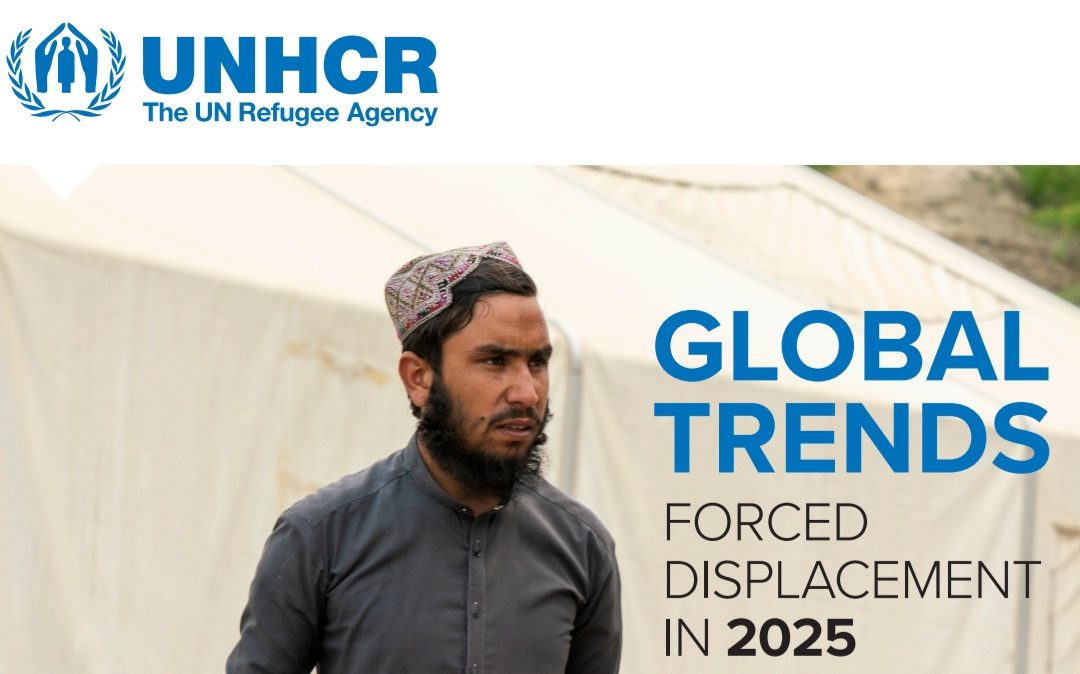
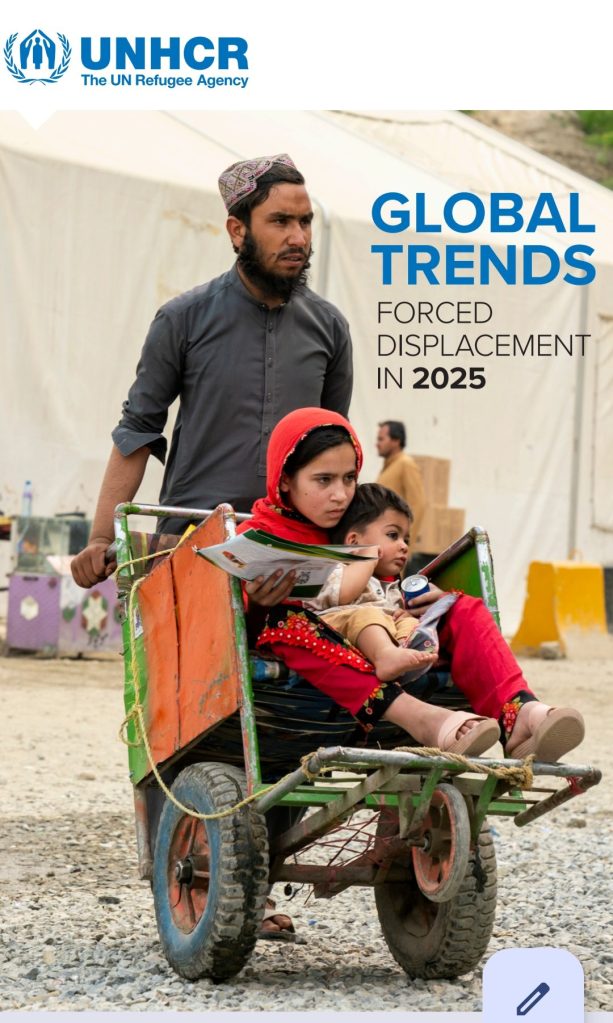
Above photo: Afghan family crossing the Torkham border to return home. Credit: UNHCR Oxygen Empire Media Production
Discover more from Nest Saskatoon
Subscribe to get the latest posts sent to your email.

